Symposium on Microbiota & Bowel Nosodes
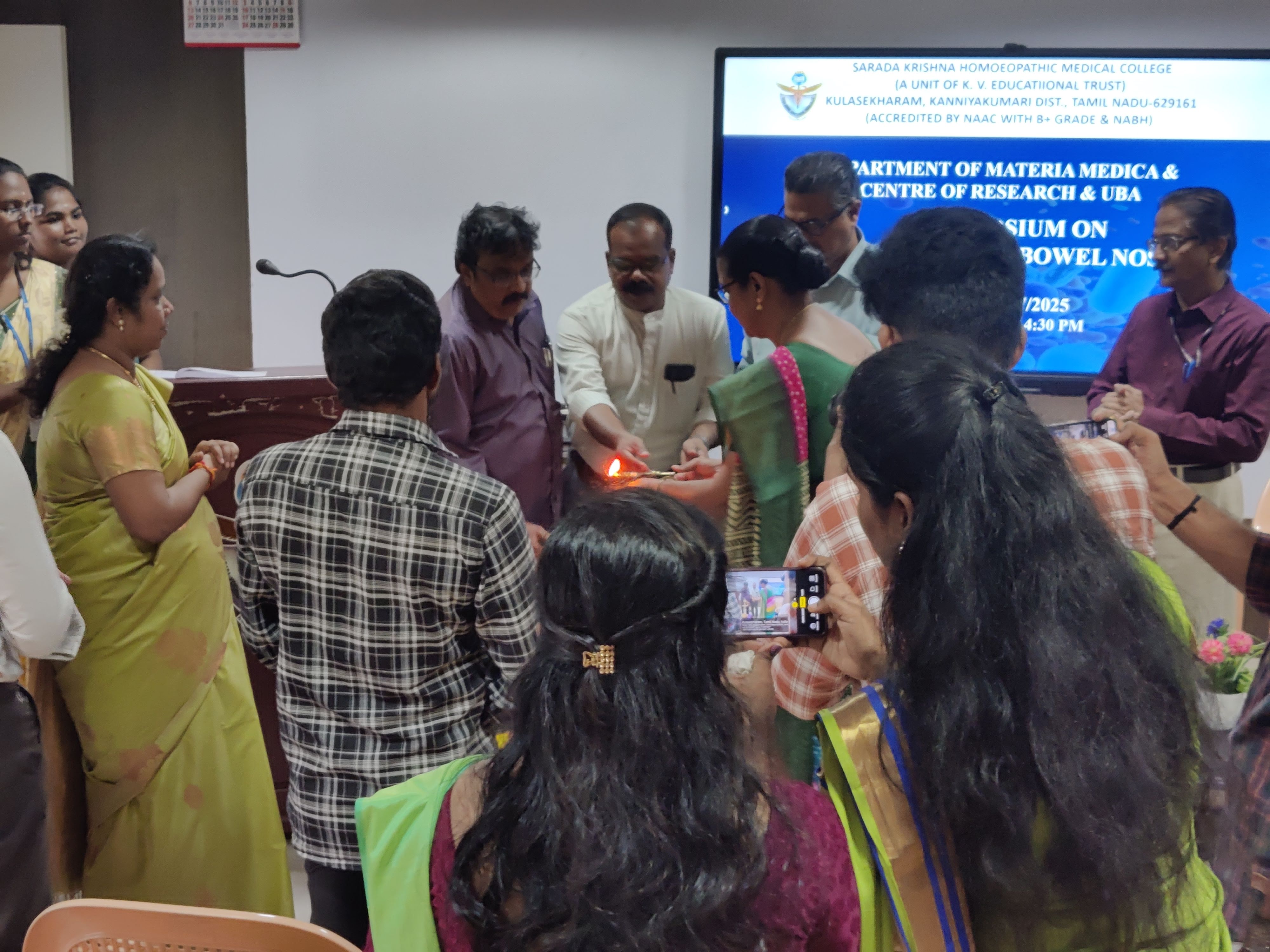
On July 18-19, 2025, Sarada Krishna Homoeopathic Medical College (SKHMC) hosted a groundbreaking symposium bridging the gap between cutting-edge modern microbiology and traditional homeopathic medicine. The event, titled "Symposium on Microbiota & Bowel Nosodes," brought together experts from diverse medical and scientific fields—including microbiology, pediatrics, gynecology, dentistry, and nanotechnology.
To a layperson, "Microbiota" refers to the trillions of microscopic organisms (bacteria, fungi, viruses) that live in and on our bodies. They are not just "germs"; they are essential for our survival, acting as our first line of defense, aiding digestion, and even affecting our mood. "Bowel Nosodes" are a specific class of homeopathic medicines prepared from some of these intestinal bacteria. First developed in the 1920s, these remedies are used by homeopaths to treat chronic, stubborn diseases by correcting underlying gut imbalances.
This symposium explored how the microscopic ecosystems in our gut, mouth, skin, and reproductive organs impact our overall health, and how advanced sciences (like nanotechnology) and holistic systems (like homeopathy) can restore balance to these systems.
Theme 1: The Foundations of Microbiota and Immunity
1. The Unseen Engines of the Earth & Human Body Dr. R. P. Dhanya, Head, Dept. of Microbiology, Noorul Islam College of Arts & Science Dr. Dhanya set the stage by explaining that the Earth contains over a trillion species of microbes. In humans, they act as an entire ecosystem. She highlighted their industrial and biomedical applications, noting that microbes are the "main protagonists" in producing life-saving drugs like insulin, antibiotics, and vaccines. They are also vital for eco-friendly industrial practices like breaking down oil spills, producing biodegradable plastics, and boosting agricultural growth.
2. The Microbial Military: Training our Immune System Dr. J. Jeya Deepana, Assistant Professor of Microbiology, Kanniyakumari Govt. Medical College Dr. Deepana beautifully described the gut microbiota as our body's "Microbial Military." The good bacteria in our stomach and intestines compete with bad germs for space and food, actively fighting off infections. They produce special compounds (like Short Chain Fatty Acids) that reduce inflammation and strengthen the gut barrier. When this delicate balance is disrupted—a condition known as dysbiosis—it can lead to inflammatory diseases and weakened immunity.
3. "Cradle to Core": A Child’s Microbiome Dr. P. R. Sisir, Professor & Head of Paediatrics, SKHMC Dr. Sisir focused on how a human's microbiome is established in the first 1,000 days of life. Interestingly, the way a baby is born significantly dictates their microbial health. Babies born vaginally acquire beneficial bacteria (like Lactobacillus) from the mother, while those born via C-section acquire skin bacteria, which delays the development of a healthy gut. Dr. Sisir emphasized that early antibiotic exposure and formula feeding can alter a child’s gut flora, potentially leading to childhood disorders like allergies, autism, and irritable bowel syndrome.
Theme 2: Microbiomes Across the Human Body
The symposium highlighted that it is not just the gut that relies on microbes; every part of our body has its own unique ecosystem.
1. The Mouth: A Gateway to Systemic Disease Dr. Melvin Arul Dev, Dental Surgeon, SKHMC The mouth houses over 700 species of bacteria. Dr. Melvin explained that bad oral hygiene doesn't just cause cavities or bleeding gums (gingivitis). Harmful oral bacteria can enter the bloodstream and cause severe systemic issues. Surprisingly, chronic gum disease is now scientifically linked to cardiovascular diseases, Type-2 Diabetes, Rheumatoid Arthritis, and even Alzheimer’s disease.
2. The Skin: Our Surface Intelligence Dr. M. Muthulakshmi, Indra Homoeopathy & Cosmetology Clinic The skin is the body's first physical and chemical barrier against the outside world. Dr. Muthulakshmi explained that the skin has its own microbial balance that changes with age, climate, and body part (oily vs. dry areas). Modern lifestyle habits—like using harsh chemical cleansers, excessive cosmetic products, and environmental pollution—can destroy this protective barrier. This leads to "dysbiosis" of the skin, resulting in conditions like severe acne, eczema, psoriasis, and accelerated aging.
3. Women's Inner Ecosystem: Vaginal Health Dr. Ann Symirna M J & Dr. L. Girija, SKHMC Dr. Ann Symirna explained that a healthy vaginal ecosystem is predominantly guarded by Lactobacilli—good bacteria that produce lactic acid to keep the environment acidic, killing off harmful invaders. When this balance is disturbed (due to antibiotics, stress, or harsh hygiene products), it leads to Bacterial Vaginosis (BV) and yeast infections. If left untreated, this imbalance can lead to severe reproductive issues, including infertility and premature birth. Following this, Dr. L. Girija presented a clinical study showing how Homeopathy offers a sustainable solution. Traditional antibiotics often wipe out both good and bad bacteria, leading to recurrent infections. Her study showed that individualized homeopathic remedies (like Merc Sol and Sulphur) successfully restored the normal, healthy vaginal flora in 57% of patients without the use of harsh antibiotics.
Theme 3: The Intersection of Microbiology and Homeopathy (Bowel Nosodes)
The core theme of the event was how Homeopathy utilizes these microbial concepts through Bowel Nosodes.
1. Culturing the Gut Bacteria Dr. Gopika R.S., Professor of Pathology & Microbiology, SKHMC Dr. Gopika explained the complex laboratory process of how stool samples are collected, cultured, and how specific bacteria are isolated. She explained that major homeopathic bowel nosodes are derived from specific strains of gut bacteria. For example, the nosode Morgan Pure is made from Proteus morganii, and Sycotic Co. is made from Streptococcus faecalis.
2. Clinical Application of Bowel Nosodes Dr. P.R. Saiji, SKHMC Dr. Saiji translated the science into clinical practice. Bowel nosodes are used when a patient's chronic disease isn't fully healing with standard homeopathic remedies. For instance, if a patient with severe gastric issues and anxiety is given the remedy Lycopodium and only gets partial relief, a homeopath might prescribe the bowel nosode Morgan Pure. Because Morgan Pure targets the specific microbial imbalance in the gut causing the chronic bloating and inflammation, it clears the roadblock and completes the cure.
3. Decoding the "Second Brain" Dr. Winston Vargheese, Professor of Materia Medica, SKHMC Dr. Vargheese tied the concepts together by discussing the "Gut-Brain Axis"—the direct communication line between our stomach and our brain. He explained that from a homeopathic perspective, microbial imbalance (dysbiosis) is not the cause of disease, but a symptom of a disturbed "Vital Force" (the body's internal healing energy). Homeopathy and Bowel Nosodes don't just blindly kill bacteria; they correct the body's internal environment (the terrain), empowering the immune system to naturally bring the microbiome back into harmony.
Theme 4: Advanced Technologies and Future Frontiers
Consuming the Microbiome: A Nano Approach Dr. Praseetha P.K., Professor & Head, Dept of Nanotechnology, Noorul Islam Centre for Higher Education Looking to the future, Dr. Praseetha introduced how Nanotechnology is revolutionizing how we consume probiotics. Often, when we eat probiotic yogurts or supplements, the good bacteria are destroyed by harsh stomach acids before they ever reach the gut. Nanotechnology allows scientists to "encapsulate" these probiotics in microscopic, protective shields (nanocarriers) so they reach their target safely.
Fascinatingly, she also introduced the concept of "Homoeo-Nano." Research is beginning to show that highly diluted homeopathic medicines may actually contain physical "nanoparticles" of the original substance. This provides a modern, physics-based explanation for how homeopathic medicines interact with the body on a cellular level, stimulating the immune system through quantum properties and electromagnetic energy.
Conclusion and Takeaway
The SKHMC Symposium on Microbiota & Bowel Nosodes provided a powerful message: We are not just human; we are walking ecosystems.
Whether looking at the mouth, the skin, the reproductive organs, or the gut, maintaining the balance of our microscopic inhabitants is the key to preventing chronic diseases. The symposium successfully demonstrated that while modern science is just now mapping the microbiome with advanced tools like Nanotech and DNA sequencing, Homeopathy has practically utilized these concepts for nearly a century through the use of Bowel Nosodes. The future of healthcare lies in this integrative approach—healing the host's internal environment rather than just waging war on bacteria.
Gallery
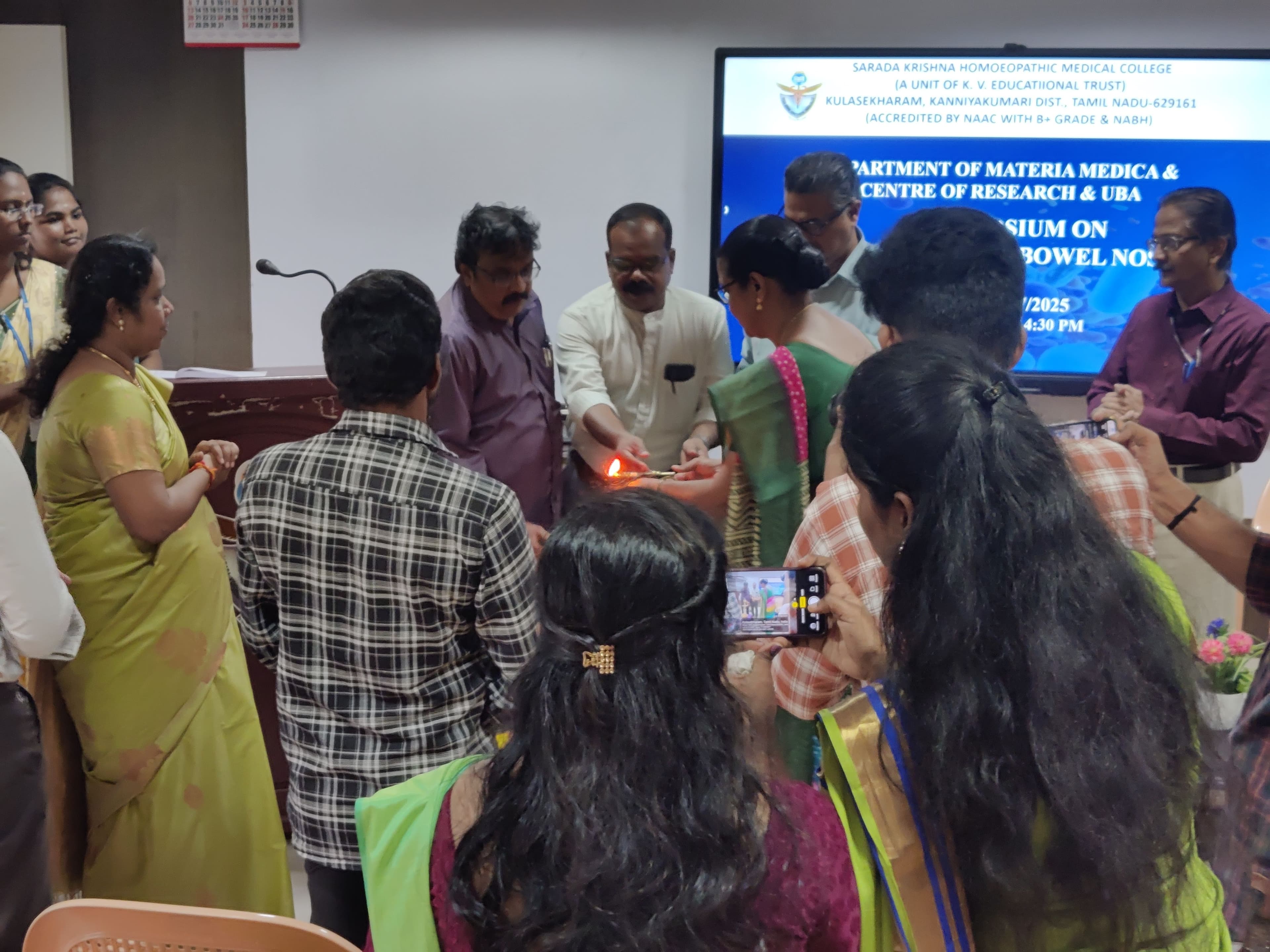
Symposium Inauguration
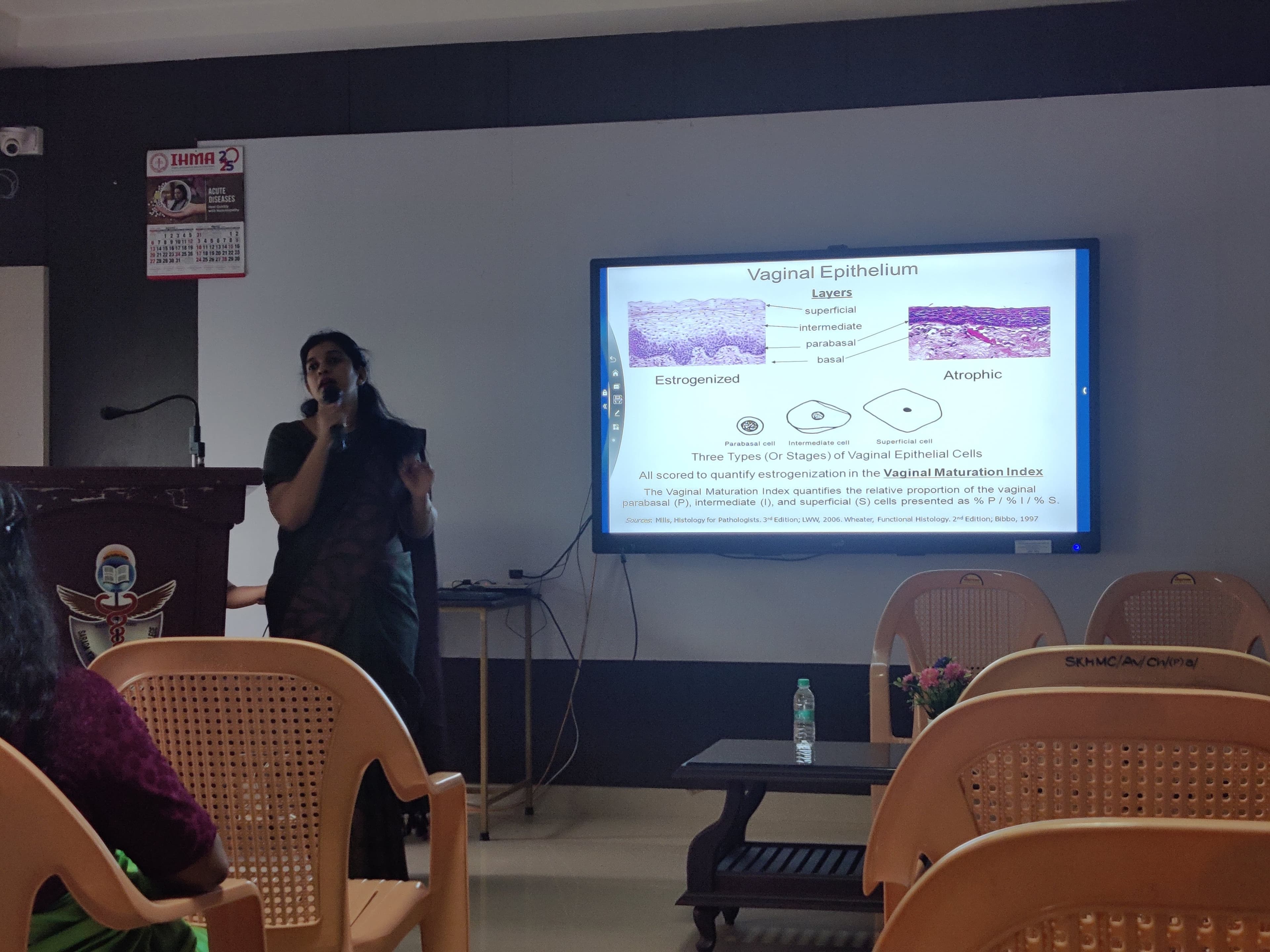
Dr. Ann Symirna presenting
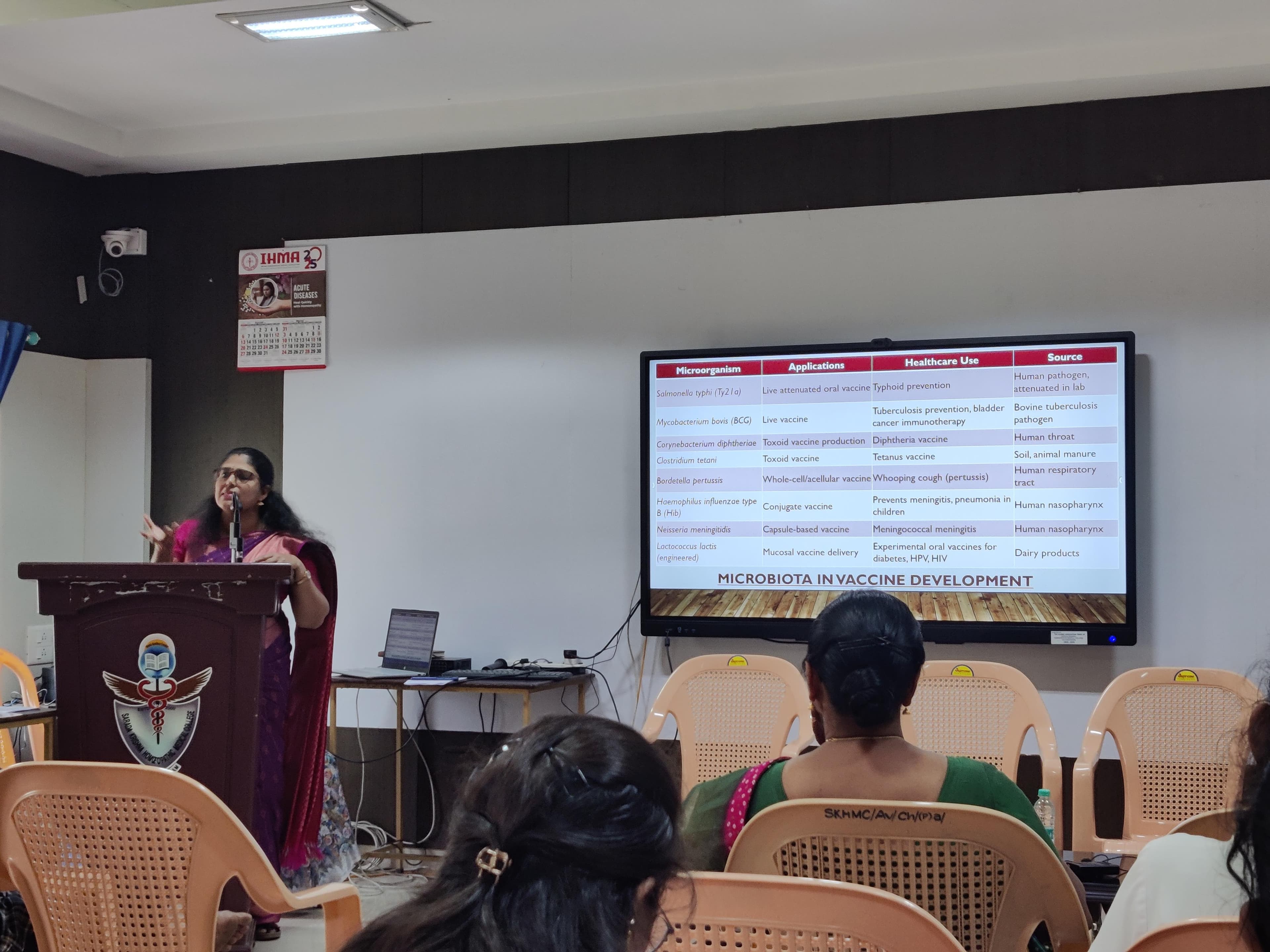
Dr. Dhanya presenting
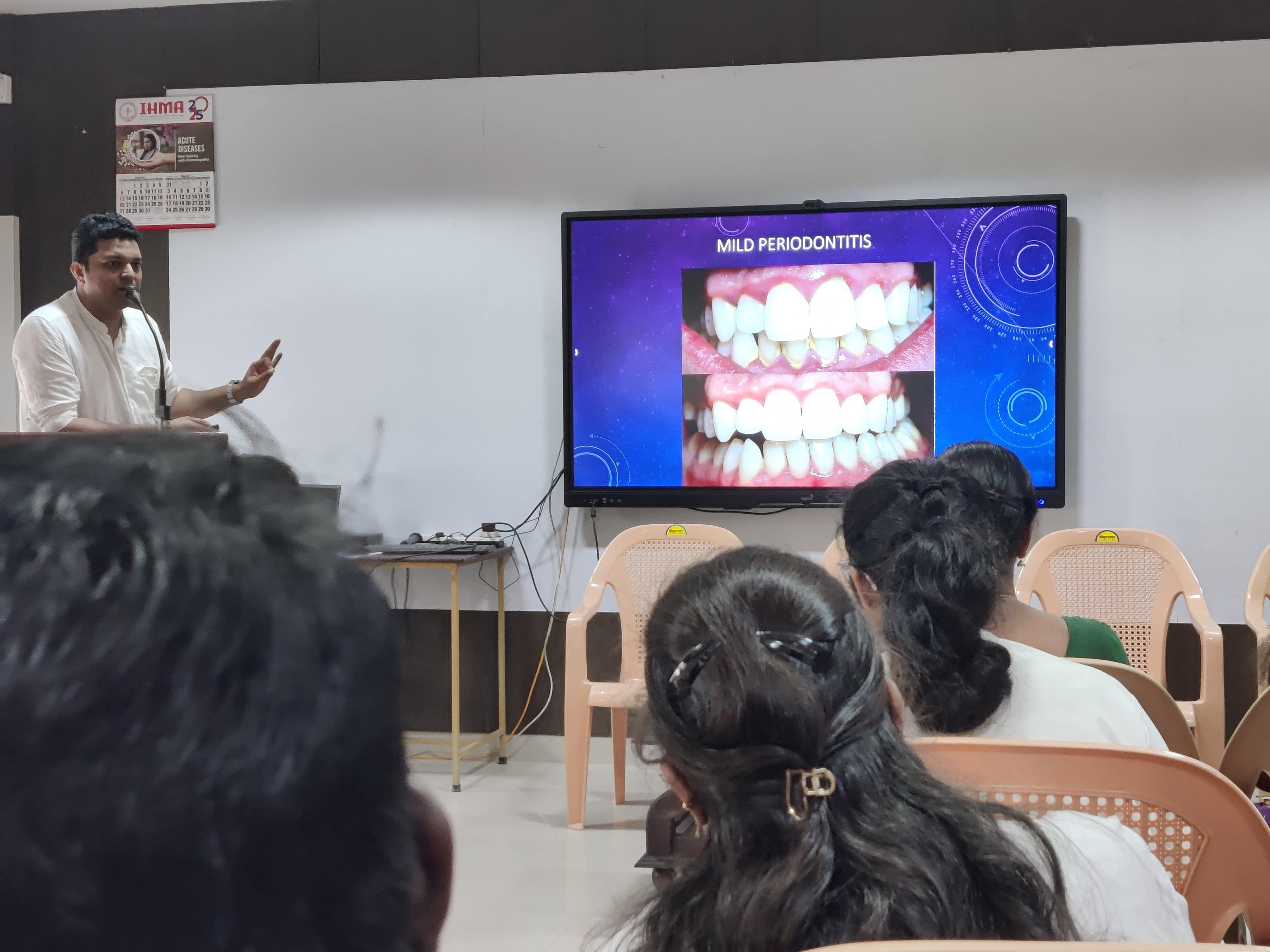
Dr. Melvin presenting
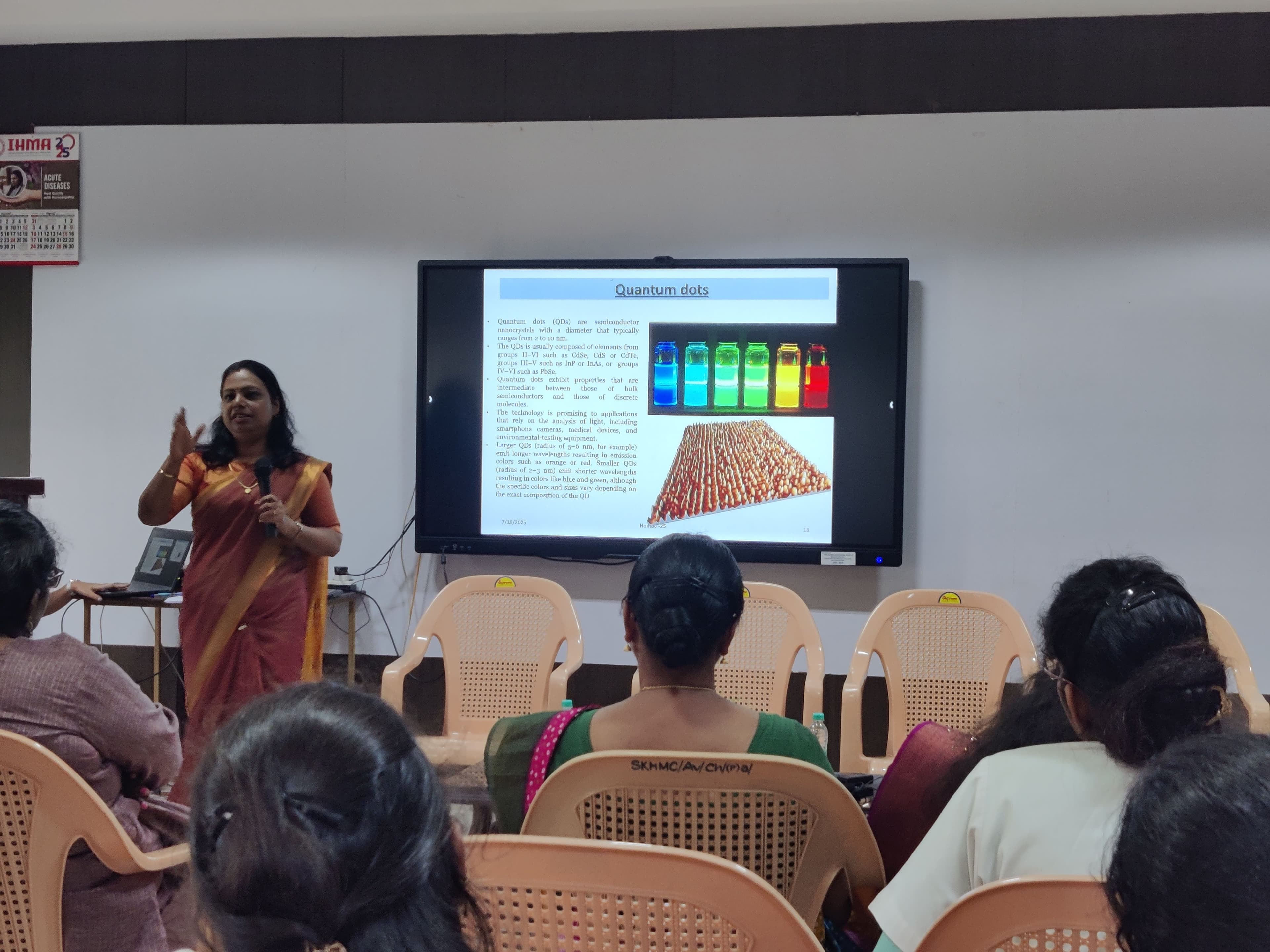
Dr. Praseetha presenting
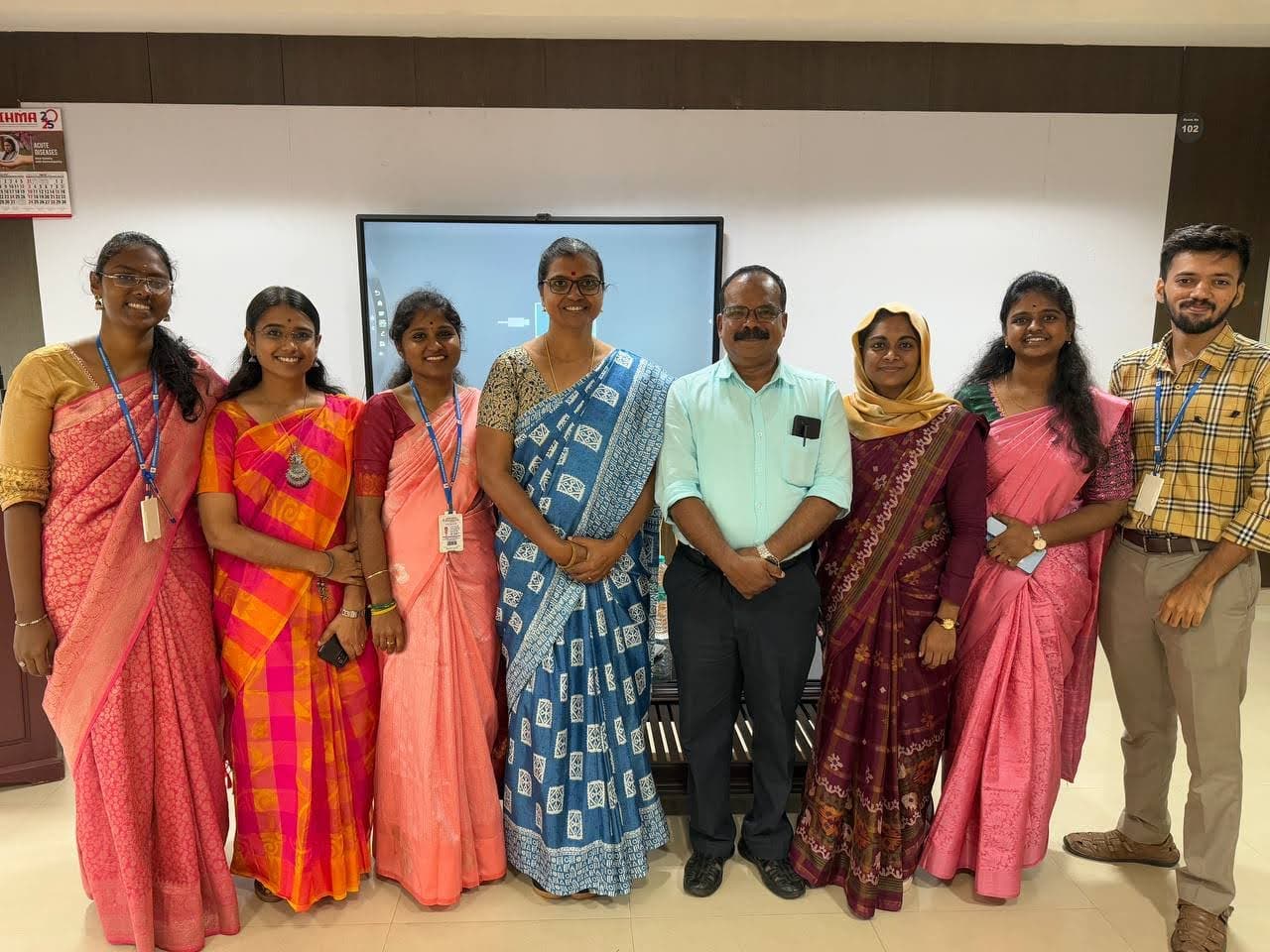
With Organizers and Colleagues